
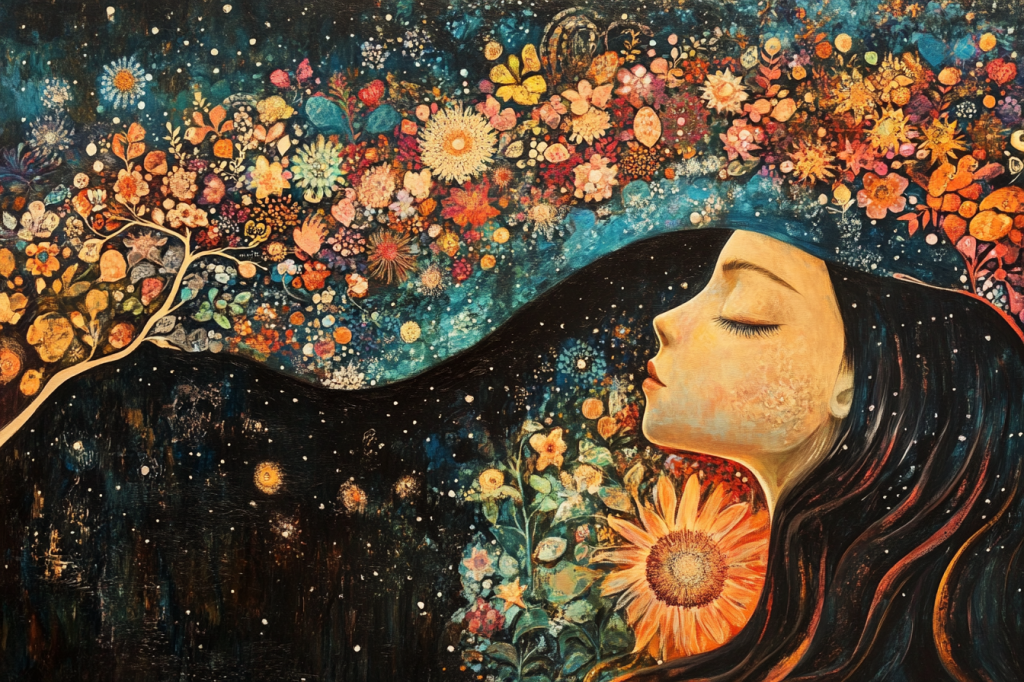
In today’s fast-paced world, we often take pride in our independence. We like to think of ourselves as self-sufficient beings, capable of navigating life on our own. But nature, with its storms and its power, humbles us. A sudden calamity can strip away everything we hold dear—our homes, our jobs, even entire cities. It is in those moments that we are forced to confront a truth we often forget: we are deeply dependent on nature and, by extension, on each other.
We live as though we are the architects of our lives, believing that everything we have is the result of our own efforts. But if we look closely, we can see how all of nature thrives through a delicate balance of interdependence. No tree grows in isolation. The birds, the flowers, the animals—each is part of a web, interconnected and reliant on one another. They exist in harmony, following the natural order without greed or selfishness. They thrive because they accept the role nature has designed for them.
Human beings, however, have distanced themselves from this wisdom. We have become so identified with our minds, our egos, and our thoughts that we forget our true nature. We betray the very environment that sustains us, ignoring our responsibility to both nature and each other. In our pursuit of independence, we often lose sight of the fact that we, too, are part of this intricate web of life.
RAISING CHILDREN IN A COMMUNITY OF INTERDEPENDENCE
This misplaced value on independence extends into how we raise our children. In the past, children were nurtured within a community, learning wisdom from elders, grandparents, and great-grandparents. There was a deep respect for the knowledge that came with age and experience. Children grew up understanding that they were dependent on the wisdom of their elders, not just for survival, but for emotional and spiritual growth.
Today, we push children to become independent too quickly. We expect them to function on their own, giving them a false sense of autonomy. We rush them into physical independence and, in doing so, encourage them to believe they are also independent emotionally and spiritually. But this is far from true. Children, especially in their formative years, need guidance and nurturing from those who have walked the path before them.
From the ages of 7 to 14, a child’s intellectual center is developing, which can often give them a false sense of independence. They begin to think for themselves, but this is only the beginning of their journey. From 14 to 21, they develop their emotional and sexual centers, a time when they need even more guidance. It is during these years that children must learn from their elders, receive wisdom, and understand the balance of dependence before they can fully stand on their own.
Even beyond childhood, dependence plays a crucial role in our emotional and spiritual well-being. We are not meant to navigate these aspects of life alone. Emotional and spiritual maturity come from a place of learning, growing, and accepting our need for others. Elders, mentors, and spiritual guides all have their place in helping us develop these critical aspects of ourselves.
There is a beauty in recognizing that dependence is not a weakness, but a strength. It is through dependence that we gain wisdom, learn our place in the world, and understand our role in the larger scheme of things. Just as nature thrives through interconnection, we too can blossom when we accept that we are part of something greater.
As we move through life, we should strive to return to this understanding of dependence—not just on nature, but on each other. The traditional ways of raising children in communities, where wisdom is passed down from generation to generation, hold a deep truth that we can benefit from today. Instead of pushing ourselves and others towards a false sense of independence, we should embrace the beauty of dependence as a natural part of life.
Ultimately, the journey towards emotional and spiritual fulfillment requires acknowledging our interconnectedness. By depending on nature and each other, we find strength, wisdom, and purpose.
 Mani Counseling
Leave a comment