
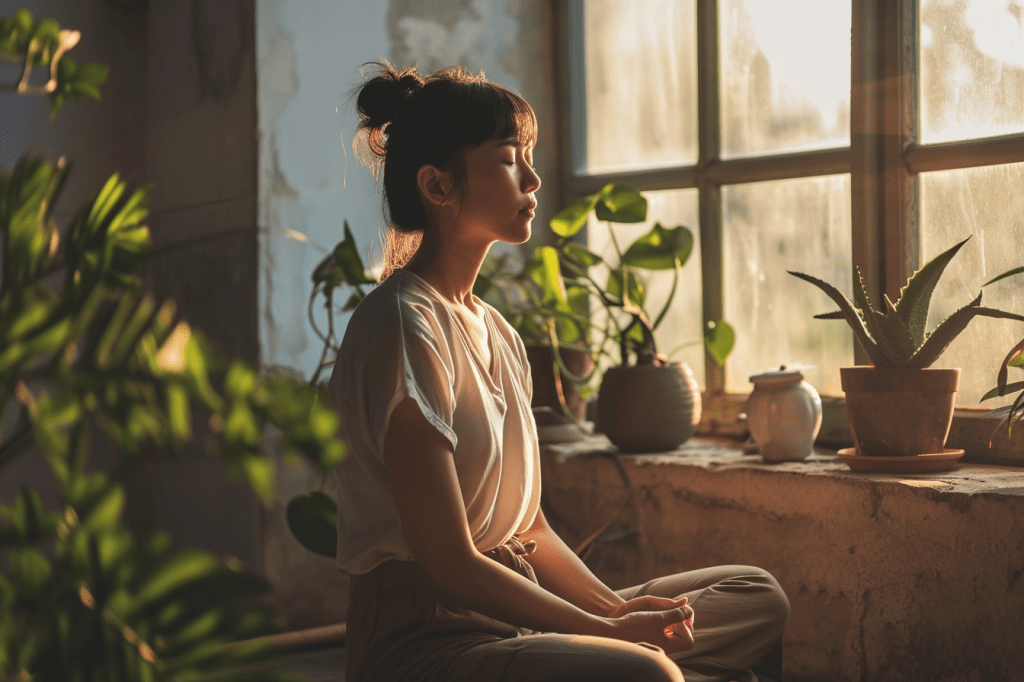
In my counseling sessions, I’ve observed a curious phenomenon: sometimes clients fall asleep during guided meditation. While this might seem surprising, it’s actually a telling sign. It indicates that they are overly stressed and tense, and as they begin to relax, their body naturally transitions into a state of rest. This is often a clear indication that they need sleep. This observation underscores a crucial aspect of meditation that many overlook: meditation is not merely relaxation—it requires energy.
Meditation: A Practice of Concentration and Attention
There’s a common misconception that meditation is a passive or purely relaxing activity. In reality, meditation demands a significant amount of concentration and attention. These are active processes that require a considerable amount of energy. To stay relaxed yet focused during meditation, one needs to harness this energy effectively.
The ultimate goal of meditation is to transcend the everyday chatter and superficial thoughts of the mind, reaching into the deeper layers of consciousness. This process allows us to access a profound wisdom that lies within our true nature. It’s a journey that takes us beyond the ordinary thought processes into a realm where we can deeply understand and find solutions to life’s complex problems, many of which seem insurmountable when approached with our usual mindset.
To reach and maintain this state of deep understanding and insight, a substantial amount of energy is required. Meditation is not a state of mindlessness or blankness; rather, it’s a heightened state of awareness and clarity. Achieving and sustaining this heightened state demands that we bring all our mental faculties to bear, including concentration, focus, and cognitive clarity. Without adequate mental energy, our meditation practice can easily become an exercise in daydreaming or, as often happens, lead to falling asleep.
Cultivating Energy for Meditation
To meditate effectively, one must have sufficient energy. There are several ways to cultivate this energy.
Pranayama
Engaging in pranayama, or breath control exercises, for about 20 minutes daily is a powerful way to enhance your energy levels, crucial for effective meditation. This ancient practice not only improves lung capacity and oxygenation of the body but also helps in regulating the energy flow within. By practicing pranayama, you enhance your ability to focus and remain attentive, which are key elements in achieving a deeper state of meditation. The rhythmic and controlled breathing patterns in pranayama are instrumental in calming the mind and preparing it for the demands of meditation.
The basics
At a fundamental level, the importance of adequate sleep and proper nutrition cannot be overstated. Our body and mind operate in unison, and both require sufficient rest and the right kind of nourishment to function optimally. Sleep rejuvenates the body and mind, repairing them from daily wear and tear, while a balanced diet provides the necessary fuel for both physical and mental activities. This foundational level of energy is a prerequisite for a fruitful meditation practice. Without it, the mind struggles to maintain the level of concentration and awareness required for meditation.
Take care of yourself, NOW!
The belief that self-care can be postponed until a less busy period is a common misconception that many of us harbor. This perspective assumes that there will come a time when our lives are less hectic, and we can finally focus on ourselves. However, this belief fails to recognize the continuous and ever-evolving nature of life. Life is akin to a river, always flowing, sometimes calm, sometimes turbulent, but never still.
In reality, external events and responsibilities are constant. Our careers demand continuous attention and growth, family life brings its own set of responsibilities and joys, and personal obligations never cease. There’s always something that seems to demand our immediate attention, making it easy to deprioritize our well-being. The truth is, these demands will never fully abate; there will never be a perfect time to start focusing on self-care.
Waiting for a lull in life’s busyness to start taking care of ourselves is akin to waiting for a perfect moment that will never arrive. This approach often leads to a cycle of postponement and neglect of our well-being. The longer we wait to prioritize self-care, the more we risk our health, well-being, and happiness.
The key is to integrate self-care into our daily routines, acknowledging that it’s as important as any other responsibility we carry. It’s about understanding that taking care of ourselves is not a luxury or a selfish act, but a necessary practice that enables us to handle our responsibilities more effectively. Self-care shouldn’t be seen as something that takes time away from our other duties; rather, it should be viewed as an investment in our overall capacity to be productive, compassionate, and present in our various roles.
This integration can take many forms, such as setting aside a few minutes each day for meditation, ensuring we’re eating nutritious meals, getting regular physical exercise, or simply allowing ourselves moments of rest and relaxation. It’s about listening to our bodies and minds, recognizing when we need to slow down, and giving ourselves permission to pause and rejuvenate.
Conclusion
Meditation is a powerful tool for personal growth and understanding, but it requires the right conditions to be effective. Recognizing the need for energy in meditation is the first step. By taking care of your physical and mental well-being, you create the ideal environment for meditation, enabling you to tap into deeper insights and wisdom. Remember, self-care is not a luxury or something to be postponed; it’s an essential part of your journey towards a more mindful and enlightened life.


Leave a Reply